poster
HomeProductsButterfly ValvesWafer Butterfly Valve
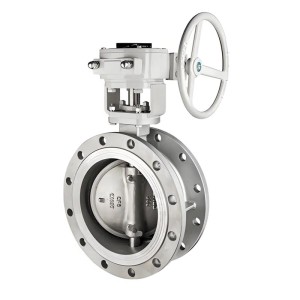
Wafer Butterfly Valve

Wafer Butterfly Valve

Structural Features

• Ultra-thin, compact, and lightweight valve body

• No built-in flange; clamped to the pipe flange via double-ended bolts passing through the valve body

• On/off or regulation via rotation from 0° to 90°

Advantages

• Small size and light weight, easy installation

• Low cost, cheaper than flanged valves

• Small footprint, suitable for compact piping

• Quick opening and closing, effortless operation

Product Description

Sealing Types


• Soft Seal (X/EPDM/NBR) Normal temperature, low pressure, water, air, sewage, zero leakage

• Hard Seal (H/Metal Seal) High temperature resistance, wear resistance, steam, high temperature gas


Actuation Methods


• Manual: Handle (small diameter), turbine (labor-saving)

• Electric: On/off type/regulating type, remote automatic control

• Pneumatic: With cylinder, rapid action, explosion-proof scenarios, etc.


Applicable Operating Conditions


• Pressure: Mainly PN6, PN10, PN16

• Temperature: Generally ≤ 120℃ (soft seal)

• Medium: Water supply and drainage, HVAC, circulating water, gas, sewage, etc.

Online Inquiry

Related Products

Butt Welded Butterfly Valve

Butt Welded Butterfly Valve

Structural Features

• No flanges or clamps; valve body directly welded to the pipeline.

• High overall rigidity, completely eliminating leakage at the connection surface.

• Mostly triple eccentric metal hard seal structure.

• Reliable seat seal, capable of bidirectional pressure resistance.

Advantages

• Zero external leakage: welded connection, no risk of gasket leakage.

• Resistant to high temperatures, high pressures, and vibrations, suitable for harsh working conditions.

• Smaller and lighter than flanged types.

• Long service life, requiring almost no maintenance at the connection.

Triple Offset Butterfly Valve

Triple Offset Butterfly Valve

What do the three eccentricities refer to?

1. Valve stem axis is off-center from valve body center

2. Valve stem axis is off-center from sealing surface center

3. Sealing cone axis is tilted at an angle

Core effects:

• Almost no friction between the disc and valve seat during opening and closing

• The sealing surface tightens as it closes, resulting in minimal wear on the sealing surface

Wafer Butterfly Valve

Wafer Butterfly Valve

Structural Features

• Ultra-thin, compact, and lightweight valve body

• No built-in flange; clamped to the pipe flange via double-ended bolts passing through the valve body

• On/off or regulation via rotation from 0° to 90°

Advantages

• Small size and light weight, easy installation

• Low cost, cheaper than flanged valves

• Small footprint, suitable for compact piping

• Quick opening and closing, effortless operation

Fluorine-Lined Butterfly Valve

Fluorine-Lined Butterfly Valve

Core Structure

• Generally a center-line soft-seal structure

• The valve body is entirely lined with a layer of F4 (PTFE), F46, PO, etc.

• The butterfly plate is also PTFE-lined

• The valve stem is usually made of stainless steel to prevent media corrosion

• Connections are mainly wafer type and flange type

• Drive methods are mainly handle, turbine, electric, and pneumatic

Commonly Used PTFE Lining Materials

• PTFE (Polytetrafluoroethylene/Teflon) Resistant to strong acids and alkalis, high temperature, and almost all chemicals

• FEP (F46) Better processability, corrosion resistance close to PTFE

• PFA High temperature resistance, stronger corrosion resistance, higher price

• PO/Polyolefin High cost-performance ratio, suitable for general corrosive conditions

+86 19858780995

+86 19858780995

+86 19858780995

+86 19858780995

19858780995@163.com