poster
HomeProductsButterfly ValvesButt Welded Butterfly Valve
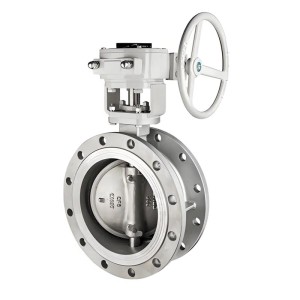
Butt Welded Butterfly Valve

Butt Welded Butterfly Valve

Structural Features

• No flanges or clamps; valve body directly welded to the pipeline.

• High overall rigidity, completely eliminating leakage at the connection surface.

• Mostly triple eccentric metal hard seal structure.

• Reliable seat seal, capable of bidirectional pressure resistance.

Advantages

• Zero external leakage: welded connection, no risk of gasket leakage.

• Resistant to high temperatures, high pressures, and vibrations, suitable for harsh working conditions.

• Smaller and lighter than flanged types.

• Long service life, requiring almost no maintenance at the connection.

Product Description

Drive Methods


• Turbine Drive, Welded Triple Offset Hard Seal Butterfly Valve (Most Commonly Used)

• Pneumatic Welded Butterfly Valve

• Electric Welded Butterfly Valve


Applicable Operating Conditions


• Pressure: PN16, PN25, PN40, PN63, Class 300/600

• Temperature: -20℃ ~ 600℃ or even higher

• Typical Media:

◦ High-temperature steam

◦ Heat transfer oil, hot oil

◦ High-temperature gas, hot air

◦ High-pressure water, oil products

◦ Flammable, explosive, and toxic media (requiring absolute leak-proof operation)

Online Inquiry

Related Products

Triple Offset Butterfly Valve

Triple Offset Butterfly Valve

What do the three eccentricities refer to?

1. Valve stem axis is off-center from valve body center

2. Valve stem axis is off-center from sealing surface center

3. Sealing cone axis is tilted at an angle

Core effects:

• Almost no friction between the disc and valve seat during opening and closing

• The sealing surface tightens as it closes, resulting in minimal wear on the sealing surface

Butt Welded Butterfly Valve

Butt Welded Butterfly Valve

Structural Features

• No flanges or clamps; valve body directly welded to the pipeline.

• High overall rigidity, completely eliminating leakage at the connection surface.

• Mostly triple eccentric metal hard seal structure.

• Reliable seat seal, capable of bidirectional pressure resistance.

Advantages

• Zero external leakage: welded connection, no risk of gasket leakage.

• Resistant to high temperatures, high pressures, and vibrations, suitable for harsh working conditions.

• Smaller and lighter than flanged types.

• Long service life, requiring almost no maintenance at the connection.

Flanged Butterfly Valve

Flanged Butterfly Valve

Basic Structure and Principle

• Core Components: Valve body (with flange), butterfly plate, valve stem, sealing seat, drive unit.

• Working Principle: The disc-shaped butterfly plate rotates 0°~90° around the valve stem to achieve full open/full close or flow regulation.

• Connection Method: Flange connection

Key Features

• Reliable Sealing: Flange connection + independent sealing system, leak-proof.

• Higher Pressure Resistance: Suitable for medium and high pressure (PN6~PN40).

• Quick Opening and Closing: Opens and closes with a 90° rotation, effortless operation.

• Low Flow Resistance: Low flow resistance coefficient when fully open, suitable for high flow rates.

• Easy Maintenance: Easy disassembly; seals are replaceable.

Ventilation Butterfly Valve

Ventilation Butterfly Valve

Basic Features

• Structure: Large diameter, lightweight valve body, single eccentric or center plate type

• Sealing: Generally not tight, slight leakage is allowed (soft seal is also possible)

• Pressure: Mostly low pressure, normal pressure

• Actuation: Handle, worm gear, electric, pneumatic are all available

• Connection: Mostly flange type, but also wafer type

+86 19858780995

+86 19858780995

+86 19858780995

+86 19858780995

19858780995@163.com