
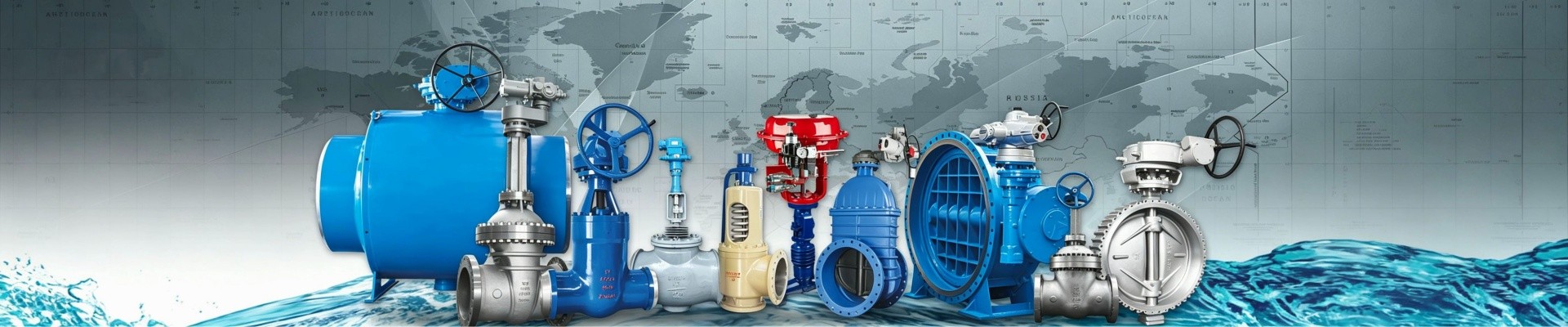
poster
HomeProductsButterfly ValvesFlanged Butterfly Valve
Flanged Butterfly Valve

Flanged Butterfly Valve

Basic Structure and Principle

• Core Components: Valve body (with flange), butterfly plate, valve stem, sealing seat, drive unit.

• Working Principle: The disc-shaped butterfly plate rotates 0°~90° around the valve stem to achieve full open/full close or flow regulation.

• Connection Method: Flange connection

Key Features

• Reliable Sealing: Flange connection + independent sealing system, leak-proof.

• Higher Pressure Resistance: Suitable for medium and high pressure (PN6~PN40).

• Quick Opening and Closing: Opens and closes with a 90° rotation, effortless operation.

• Low Flow Resistance: Low flow resistance coefficient when fully open, suitable for high flow rates.

• Easy Maintenance: Easy disassembly; seals are replaceable.

Product Description

Sealing Types

• Soft Seal

◦ Materials: EPDM, NBR, FKM

◦ Performance: Zero leakage, temperature resistance ≤ 120~200℃

◦ Applications: Water, sewage, air, low-pressure conditions

• Hard Seal

◦ Structure: Triple eccentricity, reducing friction

◦ Materials: Stainless steel, hard alloy

◦ Temperature Resistance: -40℃~425℃+

◦ Applications: High temperature, high pressure, wear-resistant conditions (steam, hot oil)


Actuation Methods

• Manual: Handle (small diameter), worm gear (labor-saving)

• Electric: Switch type/regulating type, remote automatic control

• Pneumatic: Equipped with cylinder, rapid action, explosion-proof scenarios

Common Parameters

• Nominal Diameter: DN40 ~ DN2000+

• Nominal Pressure: PN6, PN10, PN16, PN25, PN40

• Applicable Media: Water, steam, oil, gas, sewage, weakly corrosive fluids


Applicable Operating Conditions

• Municipal Engineering: Water supply and drainage, sewage treatment

• Power Industry: Circulating water, dust removal, flue gas treatment

• Petrochemical Industry: Oil products, chemical raw materials, natural gas

• Metallurgy: Wastewater, gas, raw material transportation

• HVAC: Air conditioning, hot water, steam regulation

Online Inquiry

Related Products

Triple Offset Butterfly Valve

Triple Offset Butterfly Valve

What do the three eccentricities refer to?

1. Valve stem axis is off-center from valve body center

2. Valve stem axis is off-center from sealing surface center

3. Sealing cone axis is tilted at an angle

Core effects:

• Almost no friction between the disc and valve seat during opening and closing

• The sealing surface tightens as it closes, resulting in minimal wear on the sealing surface

Centerline Rubber-Lined Butterfly Valve

Centerline Rubber-Lined Butterfly Valve

Structural Features

• Centerline Structure: The valve stem axis, butterfly plate center, and valve body center are on the same centerline.

• Integral Rubber Lining: The entire valve body interior and butterfly plate outer ring are covered with rubber.

• Fully Soft Seal: Sealing is achieved through rubber elasticity; a seal is achieved when the valve is fully closed.

• Connection Methods: Wafer type, flange type

• Drive Methods: Handle, turbine, pneumatic, electric

Flanged Butterfly Valve

Flanged Butterfly Valve

Basic Structure and Principle

• Core Components: Valve body (with flange), butterfly plate, valve stem, sealing seat, drive unit.

• Working Principle: The disc-shaped butterfly plate rotates 0°~90° around the valve stem to achieve full open/full close or flow regulation.

• Connection Method: Flange connection

Key Features

• Reliable Sealing: Flange connection + independent sealing system, leak-proof.

• Higher Pressure Resistance: Suitable for medium and high pressure (PN6~PN40).

• Quick Opening and Closing: Opens and closes with a 90° rotation, effortless operation.

• Low Flow Resistance: Low flow resistance coefficient when fully open, suitable for high flow rates.

• Easy Maintenance: Easy disassembly; seals are replaceable.

Fluorine-Lined Butterfly Valve

Fluorine-Lined Butterfly Valve

Core Structure

• Generally a center-line soft-seal structure

• The valve body is entirely lined with a layer of F4 (PTFE), F46, PO, etc.

• The butterfly plate is also PTFE-lined

• The valve stem is usually made of stainless steel to prevent media corrosion

• Connections are mainly wafer type and flange type

• Drive methods are mainly handle, turbine, electric, and pneumatic

Commonly Used PTFE Lining Materials

• PTFE (Polytetrafluoroethylene/Teflon) Resistant to strong acids and alkalis, high temperature, and almost all chemicals

• FEP (F46) Better processability, corrosion resistance close to PTFE

• PFA High temperature resistance, stronger corrosion resistance, higher price

• PO/Polyolefin High cost-performance ratio, suitable for general corrosive conditions

+86 19858780995

+86 19858780995

+86 19858780995

+86 19858780995

19858780995@163.com