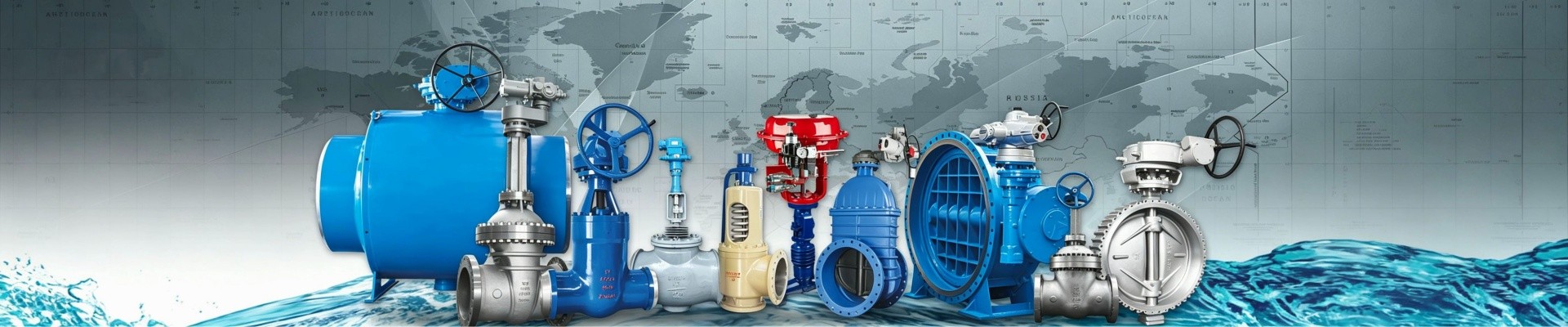
poster
HomeProductsBall ValveForged Steel Ball Valve
Forged Steel Ball Valve

Forged Steel Ball Valve

Key Features

• High-Strength Material: Forging process removes porosity and looseness, resulting in dense grains, high tensile strength, and superior wear resistance compared to cast steel.

• Reliable Sealing: Soft seal (reinforced PTFE/PPL) or hard seal (metal-to-metal), supporting double sealing, fireproof and anti-static.

• Stable Structure: Available in two-piece/three-piece flange connections, fixed ball or floating ball structure, and a split valve body for easy maintenance.

• Highly Efficient Opening and Closing: 90° rotation, low torque, fast opening and closing, suitable for frequent operation.

• Wide Temperature and Pressure Compatibility: Temperature range from -196℃ to 450℃, pressure rating from Class 150 to 1500.

Product Description

Key Parameters

• Nominal Diameter: DN15~DN300 (NPS 1/2"~12")

• Pressure: PN16~PN320, Class150~1500

• Temperature:

◦ Soft Seal: -29℃~180℃

◦ Hard Seal: Up to 450℃ (down to -196℃)


• Material:

◦ Valve Body/Goblin: A105, WCB, 304, 316, 316L, Alloy Steel

◦ Ball: 304, 316, Hard Chrome Plated, Tungsten Carbide Coated

◦ Seal: PTFE, Reinforced PTFE, PPL, Metal Seal

• Actuation: Manual, Pneumatic, Electric, Hydraulic, Turbine Drive

• Standards: GB/T 12234, API 600, API 6D

Working Principle: Rotate the sphere 90°: If the sphere's through-hole is aligned with the pipeline, it is fully open; if perpendicular, it is fully closed, quickly cutting off or connecting the medium.


Applicable Scenarios:

• High-pressure conditions: Oil and gas, coal chemical industry, long-distance pipelines, deep-sea oil and gas.

• High-temperature corrosion: Chemical acids and alkalis, steam, heat transfer oil, high-temperature gases.

• Harsh environments: Shipbuilding, power generation, metallurgy, cryogenic LNG transportation.

• Frequent operations: Automated control, skid-mounted equipment, process pipeline cutoff/regulation.
Online Inquiry

Related Products

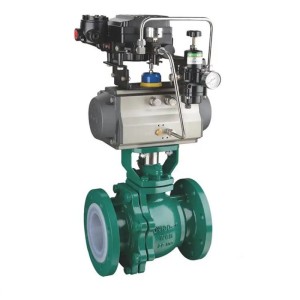
Fluorine-Lined Ball Valve

Fluorine-Lined Ball Valve

Structural Features

• Valve body is generally made of carbon steel or stainless steel, with the inner wall entirely lined with PTFE.

• Common lining materials: F4 (PTFE), F46, PFA, PO, etc.

• The ball is also PTFE-coated/lined for full-flow-channel corrosion protection.

• The structure is mostly a floating ball, with flange connections as the primary method.

• The sealing surface has inherent corrosion-resistant and anti-stick properties.

Thin Ball Valve

Thin Ball Valve

Structural Features

• Ultra-compact: 40%~60% shorter in length and 30%~50% lower in height than standard ball valves

• Lightweight: 30%~50% lighter, easier installation

• Connection: Mainly wafer type (clipped between two flanges), flange type is also available

• Opening and Closing: 90° rotation of the ball for quick shut-off/connection

• Low Flow Resistance: Full-bore design ensures smooth media flow and low pressure loss

• Excellent Sealing: Soft seal (PTFE/PPL) or metal seal, zero leakage

• Optional Features: Anti-static, fire-resistant structure, safety locking

Ceramic Ball Valve

Ceramic Ball Valve

Key Features:

1. Superior Corrosion Resistance: Zirconia/alumina ceramics are resistant to almost all acid, alkali, and salt media, and do not rust or corrode.

2. Ultra-High Wear and Erosion Resistance: The high hardness of the ceramic means it experiences almost no wear under particulate media and slurry erosion, resulting in a lifespan far exceeding that of stainless steel.

3. Stable Sealing and Non-Stuck-Up: The smooth ceramic surface does not scale or adhere, ensuring stable switching torque and preventing jamming.

4. Zero Leakage: Precision ceramic mating seals enable bidirectional sealing.

5. No Media Contamination: The ceramic's high inertness prevents metal ion precipitation, making it suitable for high-purity and clean environments.

Disadvantages: Relatively brittle, not resistant to severe impacts or sudden temperature changes; careful selection and installation are required.

Fixed Ball Valve

Fixed Ball Valve

Structural Features

• The valve core is a fixed shaft structure, positioned by bearings/sleeves at the top and bottom.

• The valve core itself does not move back and forth; sealing is achieved by the valve seat pressing against the valve core.

• It is a bidirectional sealing structure.

• Common connections: flange connection, welded connection.

+86 19858780995

+86 19858780995

+86 19858780995

19858780995@163.com